Cooling Creams for Sunburn Relief: What Really Works
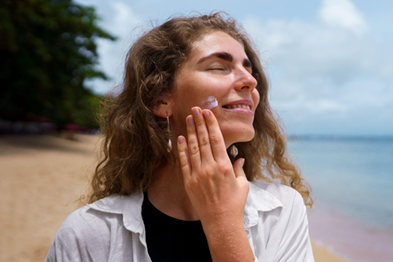
Sunburn is more than just temporary redness or discomfort; it’s a visible sign of cellular damage caused by excessive exposure to harmful UV rays. The heat trapped within the skin leads to inflammation, sensitivity, dryness, and in severe cases, peeling or blistering. As temperatures rise and sun exposure becomes unavoidable, the demand for natural, gentle, and effective cooling solutions grows stronger. This is where cooling creams come in, offering immediate comfort while supporting skin recovery.
Many people look for natural remedies that soothe overheated, sun-damaged skin, and some prefer using formulations that are free from harsh chemicals, including blends similar to brightening ghee cream that not only soothe but help even out the complexion over time. Such creams tend to address both the heat-induced irritation and the dullness that often follows sunburn.
Others seek targeted products such as a cooling cream for face, especially during the hot months when facial skin becomes more vulnerable to sun exposure. Cooling creams designed for delicate facial skin focus on calming inflammation, reducing redness, and restoring lost moisture, all of which are essential after a sunburn episode.
What Happens to the Skin When You Get Sunburn?
To understand why cooling creams work, it’s essential to recognize what sunburn does to the skin. UVB rays penetrate the skin’s outer layers and damage cellular DNA. This triggers the body’s inflammatory response, which leads to:
- Redness
- Heat
- Sensitivity
- Swelling
- Tightness
- Pain
Sunburn accelerates moisture loss, weakens the skin barrier, and increases oxidative stress. Without prompt care, it can contribute to long-term issues such as premature ageing, pigmentation, and skin roughness.
Cooling the skin as quickly as possible helps slow down ongoing damage. A soothing cream also prevents dehydration and supports the healing process.
What Makes a Cream “Cooling”? Key Ingredients to Look For
Cooling creams rely on naturally cold, soothing, and anti-inflammatory ingredients. They restore comfort while helping the skin regain balance.
Common cooling ingredients include:
Aloe Vera: Highly hydrating, anti-inflammatory, and soothing
Cucumber Extract: Reduces redness and provides instant freshness
Mint or Peppermint Oil: Gives a cooling sensation (use sparingly for sensitive skin)
Sandalwood: Traditionally used in Ayurveda to cool and calm heated skin
Vetiver: Deeply cooling and grounding
Rose Water: Reduces irritation and refreshes the skin
Ghee-Based Ingredients: Provide cooling nourishment and prevent dryness
Glycerin: Helps restore moisture that sunburned skin loses rapidly
Calendula: Anti-inflammatory and healing
These ingredients work together to lower skin temperature, reduce inflammation, and speed up recovery.
Ayurvedic Cooling Creams: Nature’s Answer to Sunburn
Ayurveda places a strong focus on Sheetala (cooling) therapies for skin exposed to heat or sunlight. According to this ancient system, sunburn is a classic symptom of aggravated Pitta dosha, which represents heat and metabolism in the body. To balance this heat, Ayurvedic care emphasizes cooling herbs, ghee-based formulations, and hydrating botanicals.
Ayurvedic Cooling Cream Benefits:
- Immediately soothe the burning sensation
- Restore moisture and softness
- Reduce inflammation and redness
- Provide a natural cooling effect
- Support cellular repair
- Prevent peeling and dryness
- Calm aggravated Pitta
Ingredients like sandalwood, aloe vera, manjistha, rose, saffron, and washed ghee often appear in Ayurvedic formulations. These ingredients offer deep nourishment without overwhelming or irritating sunburned skin.
Modern Cooling Creams: Scientific Support for Sunburn Relief
Modern skincare also offers effective cooling creams designed to soothe sunburn. Most rely on hydrating, anti-inflammatory, and barrier-repairing ingredients that work quickly.
Typical components include:
Hyaluronic Acid: Restores hydration
Panthenol (Pro-vitamin B5): Calms irritation
Niacinamide: Reduces redness and improves barrier strength
Ceramides: Help the skin rebuild its protective lipid layer
Centella Asiatica: Promotes healing and reduces inflammation
Aloe Extracts: Common in after-sun gels and lotions
Modern formulations are ideal for those looking for a fast-absorbing, lightweight option that targets inflammation and dryness quickly.
Natural DIY Cooling Creams to Soothe Sunburn at Home
If you prefer homemade skincare, several natural ingredients can be used to create your own cooling cream. These mixtures soothe, hydrate, and reduce heat while being gentle enough for sensitive or sunburned skin.
1. Aloe Vera + Cucumber Gel
Blend aloe vera gel with freshly extracted cucumber juice.
2. Sandalwood Paste + Rose Water
Apply as a cooling mask for 10–15 minutes.
3. Ghee and Aloe Blend
Mix a small amount of melted ghee with aloe vera for deep nourishment.
4. Milk + Turmeric
Apply lightly to reduce redness and inflammation.
5. Curd + Honey
Provides cooling, hydration, and antibacterial benefits.
These formulas are ideal for mild to moderate sunburn. For severe sunburn, professional dermatological care may be necessary.
How to Apply Cooling Creams Effectively for Maximum Relief
Even the best cooling cream won’t work efficiently if it isn’t used correctly. Application technique matters because sunburned skin is extremely sensitive.
Tips for effective use:
Use Cool Water First: Rinse the area with cool (not ice-cold) water to lower the temperature.
Apply Gently: Avoid rubbing or massaging; instead, pat the cream softly onto the affected area.
Reapply Often: Apply every 3–4 hours during the first day.
Hydrate Internally: Drink plenty of water or coconut water to prevent dehydration.
Avoid the Sun: Stay indoors until redness reduces.
Do not Apply Oil Immediately: Oils and thick occlusives trap heat. Oils can be used later for nourishment once the burning has subsided.
Cooling creams should be used consistently for at least 2–3 days to help the skin fully heal.
Products to Avoid During Sunburn Recovery
Not all products are suitable for sunburned skin. Some can worsen irritation or slow healing.
Avoid using:
- Chemical exfoliants (AHA, BHA, retinoids)
- Strong essential oils
- Heavy makeup
- Alcohol-based toners
- Synthetic fragrances
- Peels or scrubs
These can aggravate the skin or cause further sensitivity.
Long-Term Care After Sunburn: Maintaining Healthy, Resilient Skin
Even after sunburn heals, the skin remains vulnerable for several days or weeks. Long-term care is necessary to prevent hyperpigmentation, dryness, and premature ageing.
How to support long-term healing:
- Use gentle, hydrating creams daily
- Keep the skin cool and moisturized
- Protect the skin with mineral sunscreen
- Include antioxidant-rich foods (fruits, greens, herbal teas)
- Avoid prolonged sun exposure for at least a week
- Switch to calming, non-comedogenic skincare
With the right products and mindful aftercare, your skin can recover fully from sunburn without long-lasting effects.
Choosing the Right Cooling Cream for Sunburn Relief
Cooling creams for sunburn play a crucial role in easing discomfort, reducing inflammation, and protecting the skin from long-term damage. Whether you prefer Ayurvedic formulations or modern scientific blends, the goal remains the same: to soothe overheated skin, restore hydration, and support the skin’s natural repair process.
Ayurvedic cooling creams offer a holistic, herbal approach that aligns with the body’s natural balance, while modern creams provide quick, targeted relief using scientifically proven ingredients. The best choice ultimately depends on your skin type, sensitivity, and personal preference.
What truly works for sunburn relief is a combination of cooling, hydration, gentleness, and proper aftercare. By choosing the right cooling cream and using it thoughtfully, you can ensure faster recovery and healthier, more resilient skin, even after intense sun exposure.